
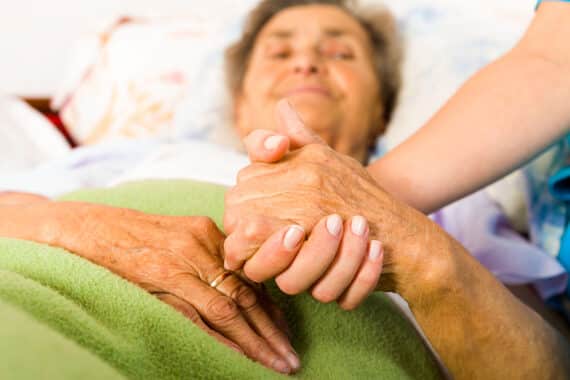
Leaving the hospital is often seen as a positive milestone, but for many seniors, it marks the beginning of a vulnerable period. Without proper support, the days and weeks following discharge can present unexpected challenges. A well-planned hospital to home care transition can make all the difference, helping seniors recover safely while reducing the risk of complications or readmission.
Understanding why this transition is so important begins with recognizing the unique needs seniors face after a hospital stay.
Why the Transition from Hospital to Home Is Critical
After hospitalization, seniors often experience fatigue, weakness, or confusion. Even routine tasks can feel overwhelming. At the same time, they may need to manage new medications, follow strict care instructions, and attend multiple follow-up appointments.
Without proper support, these challenges can lead to setbacks. In fact, hospital readmissions are common among older adults, often due to missed medications, lack of mobility assistance, or unmanaged symptoms.
The emotional aspect should not be overlooked either. Returning home after a hospital stay can bring anxiety or uncertainty, especially if the individual lives alone.
What Is Hospital to Home Care Transition?
Hospital to home transition care refers to the coordinated process of moving a patient from a medical facility back to their home environment with the appropriate level of care in place.
This type of care is designed to ensure continuity, meaning there is no gap between hospital treatment and home recovery. It involves careful planning, communication, and ongoing support tailored to the individual’s condition and needs.
Transition care often begins before discharge, with healthcare providers outlining a recovery plan that includes medications, therapy, and follow-up appointments.
Benefits of a Structured Transition Plan
A structured hospital to home care transition offers several important benefits. First, it significantly reduces the likelihood of hospital readmissions. When seniors receive consistent care and monitoring at home, potential issues can be identified and addressed early.
Second, it improves overall recovery outcomes. Healing at home allows individuals to rest in a familiar environment, which can promote both physical and emotional well-being.
Another key advantage is increased confidence. With the right support in place, seniors are more likely to regain independence and feel secure managing their daily routines.
Key Services Included in Transition Care
Transition care is comprehensive and adaptable, focusing on the specific needs of each individual. Services often include:
- Medication reminders and organization to ensure proper dosing
- Assistance with mobility to prevent falls and encourage safe movement
- Help with personal care tasks such as bathing and dressing
- Meal preparation to support proper nutrition during recovery
- Transportation to medical appointments and therapy sessions
These services work together to create a stable and supportive environment, allowing seniors to focus on healing without unnecessary stress.
Supporting Families During Recovery
Family members often play a central role in a senior’s recovery, but the responsibility can be overwhelming. Transition care provides much-needed relief by sharing the workload and offering professional guidance.
Caregivers can help families understand discharge instructions, recognize warning signs, and maintain a consistent care routine. This support not only benefits the senior but also gives families peace of mind.
Having a reliable system in place ensures that no detail is overlooked, from medication schedules to follow-up care.
Conclusion
The journey from hospital to home is a critical phase in a senior’s recovery. Without proper planning and support, it can lead to unnecessary complications. Thoughtful hospital to home transition care helps create a smoother, safer path forward.
By prioritizing continuity of care and addressing both physical and emotional needs, transition care empowers seniors to heal with confidence in the place they feel most comfortable—their home.
If you or an aging loved one are considering hospital to home transition care in Middletown, KY please contact the caring staff at Caring Excellence today. Louisville Office: (502) 208-9424, Lexington Office: (859) 233-8490, Northern Kentucky Office: (859) 212-3224, Southern Indiana Office: (812) 512-3008
Caring Excellence provides Senior Home Care in Louisville, Middletown, St. Matthews, Prospect, Jeffersontown, Lexington, Georgetown, Nicholasville, Frankfort, Versailles, and surrounding areas.

- Dehydration in Older Adults: Warning Signs Families Should Never Ignore - October 16, 2026
- Caring & Planning with Excellence: A Free Community Event - October 12, 2026
- When Everyday Tasks Become Harder: Hand and Arm Challenges During Breast Cancer Recovery - October 5, 2026
