
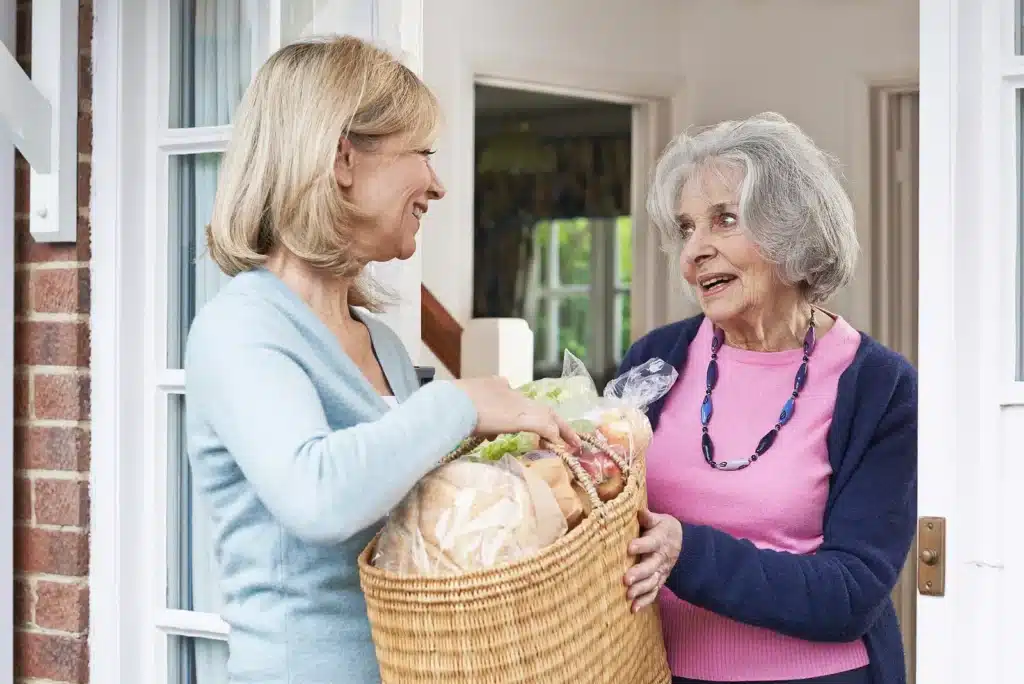
For many older adults, giving up the car keys is one of the most emotional milestones of aging. Driving represents freedom, independence, and the ability to decide where to go and when to go there. When that independence changes, it often affects far more than transportation. It can impact social connections, physical health, emotional well-being, and overall quality of life. Fortunately, companion care at home can help seniors remain active and engaged long after they stop driving.
While families often focus on finding rides to medical appointments or the grocery store, maintaining a senior’s connection to the people and activities they enjoy is just as important. Staying involved in everyday life helps reduce isolation and supports healthier aging.
Why Giving Up Driving Is Such a Major Life Change
The decision to stop driving is rarely easy. Sometimes it follows a medical recommendation after vision changes, slowed reaction times, medication side effects, or a diagnosis such as dementia or Parkinson’s disease. In other cases, seniors recognize that they no longer feel confident behind the wheel.
Regardless of how the decision is made, it often brings feelings of loss.
A senior who once drove to lunch with friends, attended weekly religious services, visited grandchildren, or simply enjoyed running errands whenever they pleased may suddenly feel dependent on others. Many begin turning down invitations because they don’t want to inconvenience family members or ask for transportation.
This gradual reduction in activity can happen so slowly that families don’t immediately recognize how much their loved one has withdrawn from everyday life.
The Hidden Risks of Staying Home Too Much
Remaining at home isn’t necessarily a problem. The concern arises when staying home becomes the default because transportation is no longer available.
Without regular opportunities to get out, seniors may experience:
- Increased loneliness and social isolation
- Less physical activity
- Fewer opportunities for meaningful conversation
- Missed community events
- Difficulty keeping up with hobbies and interests
- Greater risk of depression
Research has consistently shown that staying socially engaged contributes to healthier aging. Conversations, new experiences, and routine outings help stimulate the brain while providing a sense of purpose and connection.
When transportation disappears, those opportunities can disappear as well unless families intentionally replace them.
Everyday Activities Matter More Than You Think
Many people assume seniors only need transportation to doctor’s appointments, but the small outings often matter just as much.
Stopping by the local library, walking through a park, meeting a friend for coffee, browsing a garden center, or attending a grandchild’s school event all contribute to emotional well-being.
These activities create something to anticipate. They encourage seniors to maintain routines, stay physically active, and continue participating in the communities they’ve been part of for years.
Even a simple drive through a favorite neighborhood or a visit to watch children play at a nearby park can brighten someone’s entire week.
The goal isn’t simply getting from one place to another—it’s preserving the routines and relationships that give life meaning.
How Companion Care at Home Encourages Continued Independence
One of the greatest benefits of companion care at home is that it focuses on helping seniors remain engaged instead of becoming isolated.
A companion caregiver does far more than provide transportation. They become a consistent source of encouragement, helping seniors continue participating in the activities they enjoy while offering the support needed to do so safely.
Depending on a person’s interests and abilities, a caregiver may accompany them to:
- Community events
- Religious services
- Family gatherings
- Hair appointments
- Shopping trips
- Restaurants or coffee shops
- Senior centers
- Volunteer opportunities
- Local parks or walking trails
Having someone accompany them often increases confidence. Seniors who feel anxious about navigating public spaces alone may feel much more comfortable knowing someone is available to assist if needed.
This support allows older adults to maintain independence while reducing many of the obstacles that arise after giving up driving.
Companionship Goes Beyond Transportation
Although transportation is valuable, meaningful companionship often has an even greater impact.
Loneliness has become an increasing concern among older adults, particularly for those living alone. Regular conversations, shared meals, games, hobbies, and simply having someone to spend time with can make an enormous difference in emotional health.
A companion caregiver might spend an afternoon putting together a puzzle, watching an old favorite movie, working in the garden, baking a family recipe, or looking through photo albums. These simple interactions help keep seniors mentally engaged while providing opportunities for conversation and laughter.
Many caregivers also encourage participation in hobbies that may have gradually been abandoned. Whether it’s birdwatching, crafting, attending community classes, or visiting museums, continuing enjoyable activities helps maintain a sense of identity and purpose.
Supporting Family Caregivers, Too
Adult children often do everything they can to help after a parent stops driving. They rearrange work schedules to provide rides, squeeze errands into weekends, and try to attend every appointment.
While these efforts come from a place of love, they can quickly become overwhelming.
Balancing employment, raising children, managing a household, and coordinating transportation for an aging parent can create significant stress. Family members sometimes find themselves saying no—not because they don’t want to help, but because there simply aren’t enough hours in the day.
Companion care at home eases that burden.
Knowing someone can accompany a parent to appointments, help with errands, or simply spend time together during the week allows adult children to focus on enjoying visits rather than rushing through a list of responsibilities.
It also provides reassurance that their loved one continues experiencing meaningful social interaction even when family members cannot be present.
Looking Beyond the Car Keys
Giving up driving doesn’t have to mean giving up an active, fulfilling lifestyle.
With thoughtful planning and the right support, many seniors continue enjoying friendships, hobbies, community involvement, and family activities for years after they stop driving. The key is recognizing that mobility is about more than operating a vehicle—it’s about maintaining opportunities to stay connected with the world.
Companion care at home helps bridge that gap by providing encouragement, reliable support, and meaningful companionship that keeps seniors engaged in the routines they value most.
If you’ve noticed your parent declining invitations, staying home more often, or expressing frustration about no longer driving, it may be time to look beyond transportation alone. Helping a loved one remain connected to people, places, and experiences can have a lasting impact on both emotional and physical well-being.
Sometimes preserving independence isn’t about holding onto the car keys. It’s about making sure life continues to be full of purpose, relationships, and moments worth looking forward to.
If you or an aging loved one are considering companion care at home in Middletown, KY please contact the caring staff at Caring Excellence today.https://caringexcellenceathome.com/in-home-companion-care/ Louisville Office: (502) 208-9424, Lexington Office: (859) 233-8490, Northern Kentucky Office: (859) 212-3224, Southern Indiana Office: (812) 512-3008
Caring Excellence provides Senior Home Care in Louisville, Middletown, St. Matthews, Prospect, Jeffersontown, Lexington, Georgetown, Nicholasville, Frankfort, Versailles, and surrounding areas.

- Dehydration in Older Adults: Warning Signs Families Should Never Ignore - October 16, 2026
- Caring & Planning with Excellence: A Free Community Event - October 12, 2026
- When Everyday Tasks Become Harder: Hand and Arm Challenges During Breast Cancer Recovery - October 5, 2026
